

Published | 4 May 2026
With Tasmanian students returning to school this week, RACT is reminding all road users that some of the most serious risks occur in the most familiar places.
General Manager Advocacy and Government Relations Mel Percival said driveways, local streets and short everyday trips could all be environments where reduced attention leads to preventable crashes.
“RACT is calling on families and all drivers to slow down, stay alert and be conscious of ‘autopilot driving’ as school routines resume and traffic increases across the state,” Ms Percival said.
RACT data shows that around 12 per cent of member crashes occur close to home, often in driveways, and 16 per cent occur within the same suburb, highlighting that safety begins before you get into the car.
“Familiarity can unfortunately create a false sense of safety which reduces vigilance behind the wheel.
“Driveways and local roads feel familiar and safe, so our brains reduce alertness which is known as familiarity bias,” she said.
“Because we think we know these environments, we stop actively scanning for risk.
“Our brains start to predict what is there rather than fully observe it, attention can drift and we are less likely to notice unexpected hazards.”
Ms Percival said the start of the school term was a timely reminder to build small, deliberate habits that helped drivers to stay present and focused.
“The evidence shows the best response is to break autopilot with simple, conscious actions,” she said.
“That might mean putting your phone on silent before you start driving, selecting your music or navigation in advance or taking a moment to walk around your vehicle and scan your surroundings before getting in.”
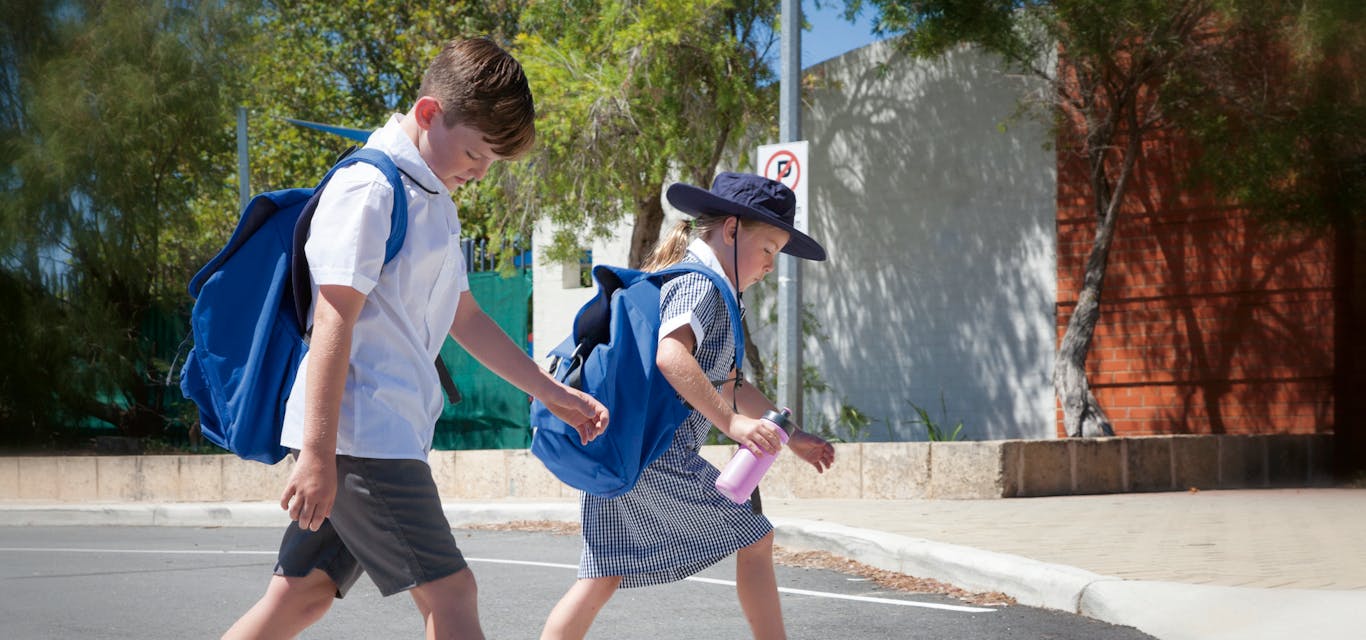
RACT is also reminding drivers to slow down and stay especially alert in school zones, where children can be unpredictable around traffic during busy drop-off and pick-up periods.
“Children can move quickly and unexpectedly around roads and they’re not always easy to see,” Ms Percival said.
“A 40km/h speed limit applies in Tasmanian school zones during the times displayed on roadside signs, typically covering morning and afternoon peak periods.”
RACT is also reminding drivers to:
Slow down near school buses displaying flashing lights
Be alert for children crossing between parked cars
Never park in bus zones, no stopping areas or across crossings
Use designated crossings wherever possible
“When approaching a children’s crossing, drivers must slow down and prepare to stop when orange flags are displayed. If a crossing guard is present, motorists must stop when directed and remain stopped until the crossing is clear,” Ms Percival said.
Drivers must also slow to 40km/h when passing a stationary school bus with flashing lights, in either direction.
“By slowing down, staying alert and actively breaking autopilot even in the driveway, we can all help ensure every child gets to and from school safely,” Ms Percival said.