

Published | 8 December 2025
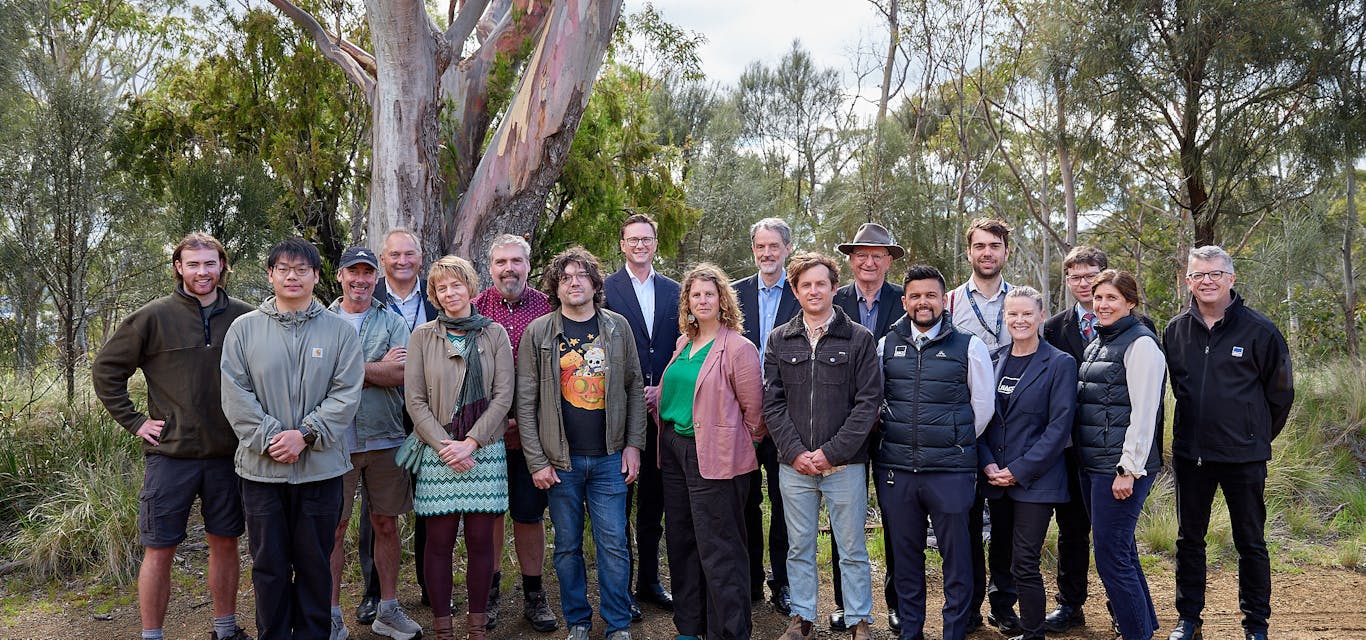
The University of Tasmania Fire Centre and RACT have launched a partnership to help Tasmanians stay ahead of the escalating fire risks driven by a changing climate. The agreement will fund the university’s Fire Centre and a series of co-designed projects that translate fire science into tools and advice people can use in their homes and communities.
Fire is Tasmania’s biggest natural hazard, with climate change increasing its frequency and intensity. The partnership will ensure research directly benefits communities by supporting households and councils to strengthen property resilience, reduce local fire risk and make informed decisions when fire threatens.
RACT Group CEO Mark Mugnaioni said the collaboration would focus on local research into bushfire, practical mitigation strategies, and household-level and business-level programs to reduce the risk and impact of bushfire.
“As Tasmania’s largest and only local general insurer, covering $50 billion in assets, RACT has unparalleled understanding of Tasmanian risk."
“By joining forces with Tassie’s own world-leading bushfire experts, we can make communities safer and address long-term insurance accessibility issues – issues our members have said they want to see action on.”
RACT will invest up to $1.2 million in the partnership over four years.
“These funds will support research focused on real world implementation led by the Fire Centre, headed by Professor David Bowman, as well as trials of innovative household preparedness programs designed to incentivise risk-reducing actions,” Mr Mugnaioni said.


“This partnership aims to address these challenges by combining world-leading research, insurance expertise of risk and community engagement to make Tasmania more prepared for the long-term impact of bushfire on communities.”
University of Tasmania Vice-Chancellor Professor Rufus Black said the partnership demonstrates how research and collaboration can have a real impact on Tasmanians’ lives.
“This partnership brings together two very different kinds of expertise — rigorous, globally-recognised science from the Fire Centre and deep community reach and Tasmanian risk expertise through RACT,” Professor Black said.
“Working together in this way means we can ensure research is applied where it matters most and communities are genuinely better prepared.
"It is only by combining evidence and action that we will reduce risk in meaningful ways and strengthen the resilience of Tasmanian communities over the long term," he said.
Head of the Fire Centre in the School of Natural Science, Professor David Bowman, said the initiative represented a critical step in helping Tasmania adapt to escalating fire risk.
“Tasmania is facing increasing extreme weather and bushfire risks, and we know that prevention is the most effective way to protect lives, property and communities.”
