

Published | 7 May 2026
Tasmania has just experienced its hottest May day in nearly 140 years of record keeping.
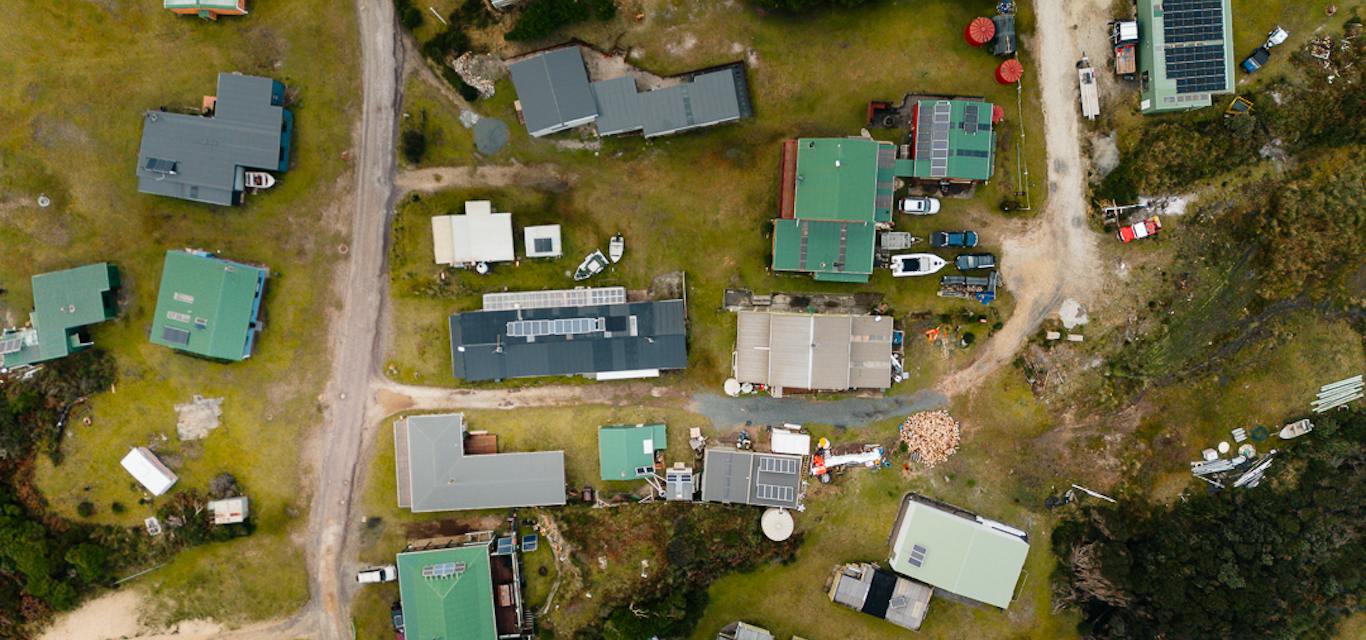
It follows the devastating Dolphin Sands fire that destroyed roughly $25M in property in early December.
Longer fire seasons, more extreme weather events and growing development in high-risk areas are increasing pressure on communities, emergency services and insurers globally.
The reality is Tasmania is not immune. Climate-related natural disasters are not rare or distant events that happen somewhere else. For many Tasmanian households and businesses alike, they are becoming an increasingly real part of life and a growing source of financial and emotional stress.
Against this backdrop, RACT commissioned a survey of both members and non-members to better understand community attitudes towards risk and their views on what can be done to build resilience.
We were overwhelmed with the response, with more than 11,000 Tasmanians completing the survey.
It found Tasmanians are increasingly worried about the threat of natural disasters and are hungry for practical, simple information, support and leadership.
It also showed growing understanding of the fact that rising insurance premiums are inextricably linked to the increasing frequency and severity of natural disasters, including bushfires, floods and storms occurring in our State.
While discussions around insurance affordability are often framed as a cost-of-living issue, they cannot be solved without tackling the underlying factors driving insurance risk.
More than half of those surveyed were worried about natural disasters contributing to higher insurance premiums and a clear majority believed Tasmania would experience more natural disasters over the next five to 10 years.
One of the most interesting findings from the survey was the gap between how Tasmanians thought about risk to their own property compared with risk to their broader community.
Many people recognised natural disasters were becoming more likely, but believed the serious impacts were more likely to happen to someone else.
However, even those who were less inclined to believe that they would be directly affected overwhelming supported more being done to protect their local communities from future natural disasters.
The findings of the RACT survey should be a call to action to all levels of government, industry and the broader community.
For too long, Australia’s approach to disasters has focused heavily on response and recovery after events occur.
While those investments are critical, we must become far more serious about prevention and preparedness before disaster strikes.
We cannot keep spending millions rebuilding communities while underinvesting in preventing damage in the first place.
Every dollar invested in resilience today has the potential to reduce economic and social losses tomorrow.
Tasmanians understand that there are no silver bullets to tackle the challenges ahead, and they are asking for practical help.
The survey showed overwhelming public support resilience measures that reduce risk.
That includes things like fuel reduction, vegetation management, stronger building standards, flood mitigation infrastructure, clearer emergency communication and better access to trusted simple advice about preparing themselves and their homes.
There was also strong support for practical subsidies and incentives that help households and businesses prepare before disaster strikes.
No single organisation can solve these challenges alone.
There is a need for partnerships between government, industry, researchers and communities.
Tasmania is fortunate to have a unique set of skills focused on Tasmania’s risk, including the global expertise of Professor David Bowman and UTAS fire centre, a highly trained and well-equipped fire service and a 100% Tasmanian focused mutual insurance company that can help link risk reduction actions to insurance affordability.
At RACT, we believe our role extends beyond simply supporting after disaster occurs. As Tasmania’s only locally owned insurer and a member organisation with deep roots in the community, we have a responsibility to help support conversations and actions that improve resilience across the state.
That includes advocating for evidence-based mitigation measures, supporting better public understanding of Tasmania’s unique risk, and working with partners to explore practical ways to support households and communities to become more resilient.
That is why RACT has entered into a $1 million partnership with the Fire Centre to support world-leading research focused on a confronting challenge: how Tasmania can move from being one of the most bushfire-exposed populations in the world to one of the most resilient.
The challenge ahead is significant, but the survey results also provide grounds for optimism.
Despite differing views and understanding of future risk, Tasmanians overwhelmingly support focussing more time, attention and investment on resilience and prevention.
We need to move beyond responding to disasters after they occur and focus instead on practical actions that make communities safer, stronger and more resilient.
Because while we cannot prevent every bushfire, flood or storm, we can absolutely do more to ensure Tasmania is better prepared for them.
Mark Mugnaioni, Group Chief Executive Officer, RACT
This op ed was originally published in The Mercury on 7 May 2026.