

Published | 7 May 2026
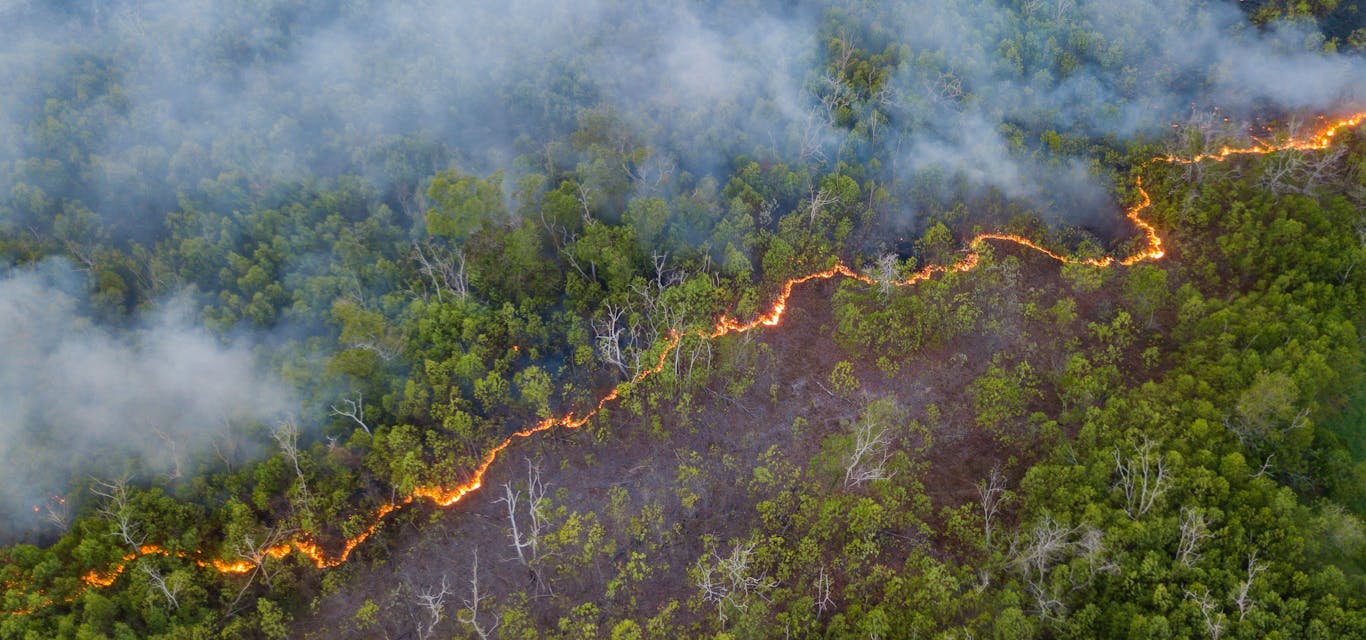
A clear majority of Tasmanians believe Tasmania will face more natural disasters in the future and overwhelmingly want more support and information to prepare.
RACT received survey responses from over 11,000 members and non-members on their attitudes towards disaster resilience and preparedness.
The results show 63 per cent of RACT members believe Tasmania will face more bushfires, floods and storms in the next 5 to ten years, compared to 58 per cent of non-members.
There was also growing understanding and concern about the direct link between increasing risk and rising insurance costs for homes and businesses
RACT Group CEO Mark Mugnaioni said an overwhelming 76 per cent of RACT members and 70 per cent of non-members believed more needed to be done to protect communities from future natural disasters.
“For too long, Australia’s approach to disasters has focused heavily on response and recovery after events occur,” Mr Mugnaioni said.
“While those investments are critical, we must become far more serious about prevention and preparedness before disaster strikes.
“We cannot keep spending millions rebuilding communities while underinvesting in preventing damage in the first place.”
The survey showed strong public support for resilience measures that reduce risk, including fuel reduction, vegetation management, stronger building standards, flood mitigation infrastructure, clearer emergency communication and better access to trusted simple advice about preparing themselves and their homes.
They also supported targeted incentives to help them prepare for natural disasters.
Mr Mugnaioni said many people were concerned about the impact of natural disasters on the cost of insurance.
“While discussions around insurance affordability are often framed as a cost-of-living issue, they cannot be solved without tackling the underlying factors driving insurance risk,” he said.
Mr Mugnaioni said RACT was committed to working with all levels of government, industry and experts to improve Tasmania’s disaster resilience.
That includes investing $1 million in partnership with the world-leading University of Tasmania Fire Centre to support Tasmania to become one of the most bushfire resilient places in the world.
“These are not challenges that any of us can solve alone, but they can absolutely be overcome together.”