

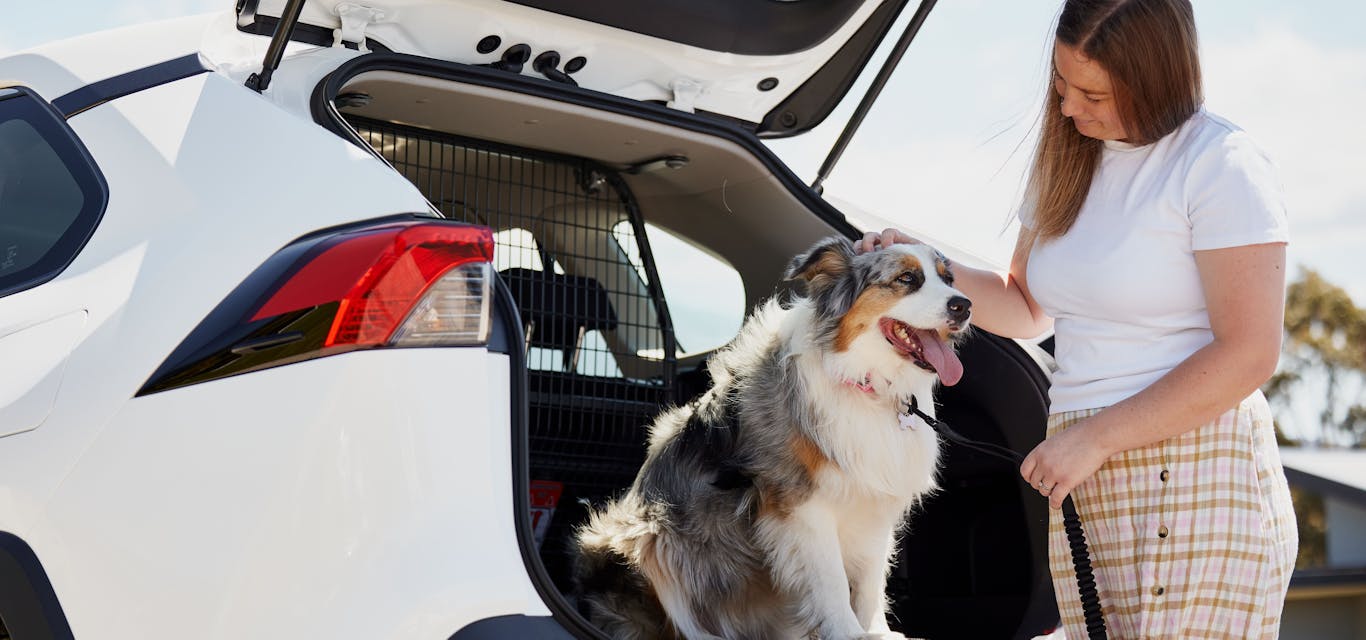
With more paws in the passenger seat, it’s important to stop and think: are we keeping them safe along the way?
From busy city streets to winding regional highways, pets face real risks. PetSure reported over 1,300 pet injury claims related to road accidents, across Australia.ˇ While Tasmania isn’t the worst-affected state, our growing pet-friendly lifestyle and mix of traffic conditions mean we can’t afford to be complacent.
Here's how to help keep your pet safe and secure while travelling.
Start smart
Buckle up - just like us, pets need to be properly restrained. A restrained pet is safer in a sudden stop and won't become a distraction or jump out the window. Use a:
Pet harness with a seat belt clip
Secure crate or travel carrier
Pet car seat for smaller animals
Start slow – New to car rides? Ease your pet into travel with short, positive trips. Think beach before vet! Bring treats, familiar toys, and take it at their pace. Avoid feeding right before you go and allow for play beforehand to reduce anxiety.
Out and about
Keep the leash handy - before opening your car door, clip your pet's leash on. Even quick roadside breaks can be dangerous near fast-moving traffic.
Train for the road - teach your dog key command to prevent dangerous behaviour near roads and traffic, like:
Stop - for sudden pauses near streets
Wait - at crossings or car doors
Leave it - to ignore distractions like bikes or dropped food
Windows up - fresh air is great but it's important to keep pet's heads inside. Dogs might love the wind in their fur, but by sticking their head out can be an injury risk and is therefore a no go. A little window crack is fine for airflow, but locking windows can prevent unexpected full openings.
Plan ahead
Pack essentials - if you go on a longer trip, remember to pack a pet kit and include leashes, food, water, snacks, their favourite toys, bedding and don't forget the poo bags.
Microchip and tag - make sure your pet's ID tag is up to date and their microchip details are current. If they get lost on the road, this is the fastest way to get them home.
Take regular breaks - stop every couple of hours for water, toilet time and a stretch. This will help to reduce restlessness and keep everyone in the car happy.
Don't leave them behind - the dangers of leaving pets in the car can turn nasty within a few minutes. Parked cars heat up fast, so it's a big no to leave them alone in the car.
Key regulations and laws
In Tasmania, dogs must be securely restrained in cars so they're unable to escape or attack people outside and they must never sit on the driver's lap. Leaving a dog in a hot car is also a strictly no-go zone. Things to remember when travelling in a vehicle with your dog:
Restraint requirements: dogs in or on a vehicle must be restrained sufficiently to prevent them from leaving the vehicle or attacking someone passing by
Driver control: you must maintain proper control of your vehicle. Having a dog on your lap or in a position that obstructs your view or blocks your access to the controls is illegal and as a result you can incur penalties
Hot cars: the law prohibits leaving an animal in a vehicle if it's likely to cause unreasonable or unjustifiable pain, suffering or heat stress
Caring for your beloved pet also means ensuring their safety and happiness during travel. By following these steps, your journey with your four-legged pal can be both safe and enjoyable. After all, it's all about the adventure together, not just the destination.