

Published | 4 September 2026
RACT has released its top five tips to help learner drivers and their supervisors build safer habits behind the wheel, as part of an innovative, internationally recognised Tasmanian youth road safety program.
Group CEO Mark Mugnaioni said the tips were designed to give learners and their supervisors practical guidance throughout the learner-driving journey.
“We know that the role of driver supervisors is critical to how safe young people are on the road when they get their P Plates. Building rapport and trust between a learner and their supervisor can help make those hours behind the wheel more effective,” Mr Mugnaioni said.
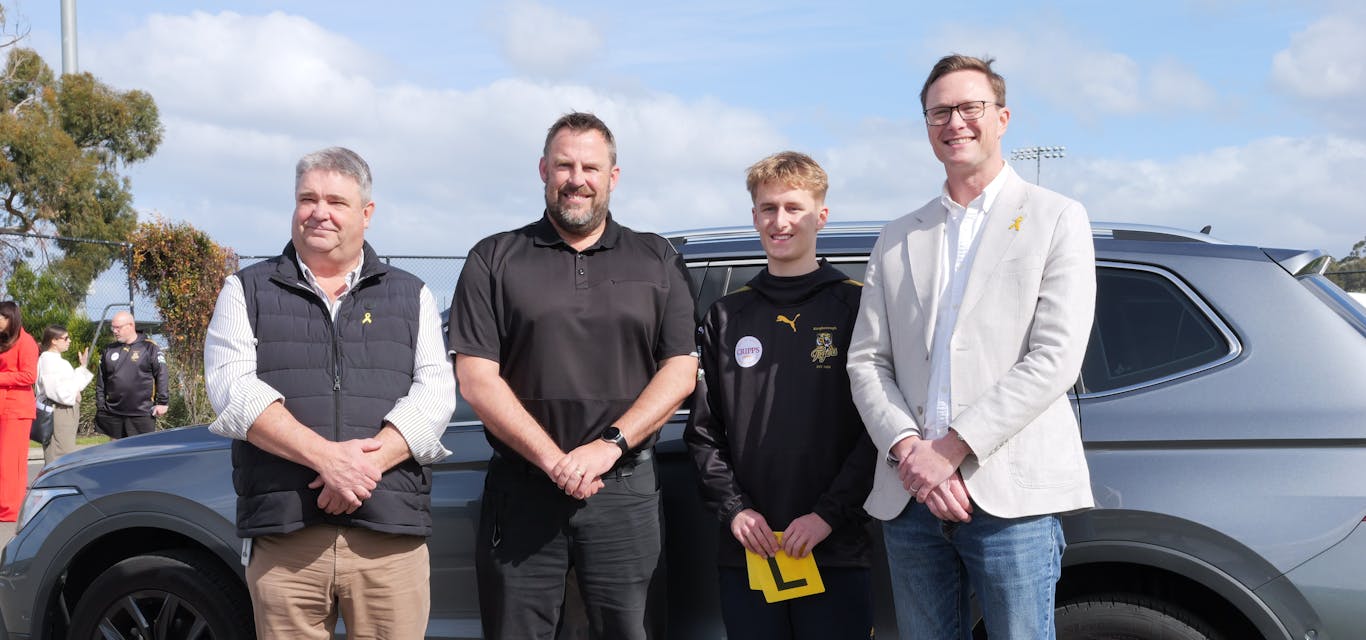
RACT has been rolling out a series of workshops across Tasmania to help learner drivers and their supervisors build safer habits behind the wheel. The first of these workshops was held in July at the Kingborough Tigers Footy Club, followed by recent sessions in Devonport and with the Clarence High School.
Global research shows quality instruction is one of the biggest influences on driver safety, yet many supervisors can feel unsure about how to teach a young person to drive. As one parent told RACT, "we weren't sure where to start, or how to teach the skills we have."
Before the session, half of all supervisors described themselves as only 'a little clear' on their role, while 75 per cent had "never" or "sometimes" planned a practice drive in advance. By the end of the session, 80 per cent felt more confident about how to approach the journey ahead.
“We’ve spent the past year talking to Tasmanians about their experiences of learning to drive and supervising a young driver, and what we heard was that people wanted more support,” Mr Mugnaioni said.
“We’ve taken what we’ve learned and turned it into practical advice that families can use.”
RACT’s top five tips for learner drivers and their supervisors:
Treat learning to drive as a partnership
Be kind and patient with each other. Learning to drive is an opportunity to spend time together while building important skills for life.Remember, you’re both learning
Driving is a complex skill. The learner is developing a whole new set of skills, while the supervisor is learning how to provide effective support and instruction.Plan each drive before you set off
Think about the focus for each trip, where you’re going and what you want to practise. Breaking learning into stages and focusing on one skill at a time can reduce stress and build confidence.
Focus on variety, not just hours
It’s not only about clocking up hours. Learners need experience across different road types and driving conditions, so their first time driving in the rain or on a narrow country road isn’t when they’re driving alone.Give clear, simple directions
Supervisors should give one clear instruction at a time and allow the learner time to understand and respond. For example, instead of giving multiple directions at once, say: “I’d like you to find somewhere along this street to park.”
Mr Mugnaioni said learning to drive was about more than clocking up the required hours.
“The learner period is an important opportunity to build safe habits, confidence and an understanding of risk before young people are driving independently,” he said.
“The relationship between a learner and their supervisor is a big part of that, and we want to make sure supervisors have the support they need to make those hours in the car as useful and safe as possible.”
The tips and workshops have been developed in direct response to the research RACT undertook last year with parents, guardians and driving supervisors through focus groups and community drop-in sessions across Hobart, Launceston, Burnie, Wynyard and Deloraine.
“We know from other programs where more investment is provided to support parents and driver supervisors be more skilled in their role as teacher, we see better longer term safter outcomes for young drivers.
"We have been able to undertake this important work by taking the time to engage with Tasmanians on the issue of youth road safety and where they would like support and then developing solutions with them.
The work has also attracted international recognition, with Tasmania’s work showcased at a global road safety session in Geneva alongside road safety leaders from around the world.
“Following the Geneva showcase, approximately $230,000 in additional funding was awarded through the FIA’s Safe Mobility for All and for Life (SM4A4L) Program,” he said.
“The funding is separate to the five-year, $8 million partnership between RACT and the Tasmanian Government and will allow the program to expand technology and community trials, with a particular focus on regional and rural communities.
“Developed through research and co-design with young people, parents, driving supervisors and community organisations across Tasmania, the program combines technology, peer support and practical driver training to help young people build the skills and confidence they need to stay safe on the road.
“The funding will support a 12-month pilot from August 2026 to July 2027, including expanded trials of a learner driver and supervisor app, community education sessions and driving lessons which include supervisors with accredited instructors, with a focus on regional and rural communities.”