

When confidence becomes complacency
Most of us think we’re better than average behind the wheel, but distraction, inattention and driving too fast for the conditions still cause serious crashes.
Surveys around the world, including our own, consistently show that most people rate their driving skills as better than average.
But if we look at what’s happening on our roads, we still see distraction, inattention and driving too fast for the conditions contributing to serious and fatal crashes. It’s a reminder that how we feel about our driving and what actually happens on the road don’t always line up.
Confidence is usually a good thing. We encourage it in our kids, family members, friends and colleagues. But behind the wheel, confidence can quietly slip into complacency, and complacency can have devastating consequences.
Most drivers are doing the right thing much of the time. Seatbelts are being worn, road rules are being followed and road safety is taken seriously. The challenge is that when we do something safely every day, it becomes easy to believe we’re unlikely to make a mistake. For some of us, years of driving experience can reinforce the belief that we’ll be okay on the roads, that crashes normally happen to other people.
That’s where the idea of being an “above-average driver” becomes risky. In our last annual survey 71 per cent of people rated themselves as having a better than average driving ability. Statistically, we can’t all be above average. Even experienced, capable drivers are vulnerable to the same human errors: distraction, fatigue, misjudgement, complacency and lapses in attention.
Many of us don’t think of ourselves as the “distracted driver” or the “driver who takes risks.” Those labels belong to somebody else. Yet every driver can recall a moment when they missed a turn, drove while tired, checked a phone notification or realised they hadn’t fully concentrated on the last few kilometres of road. These are the kinds of moments that can contribute to serious and fatal crashes.
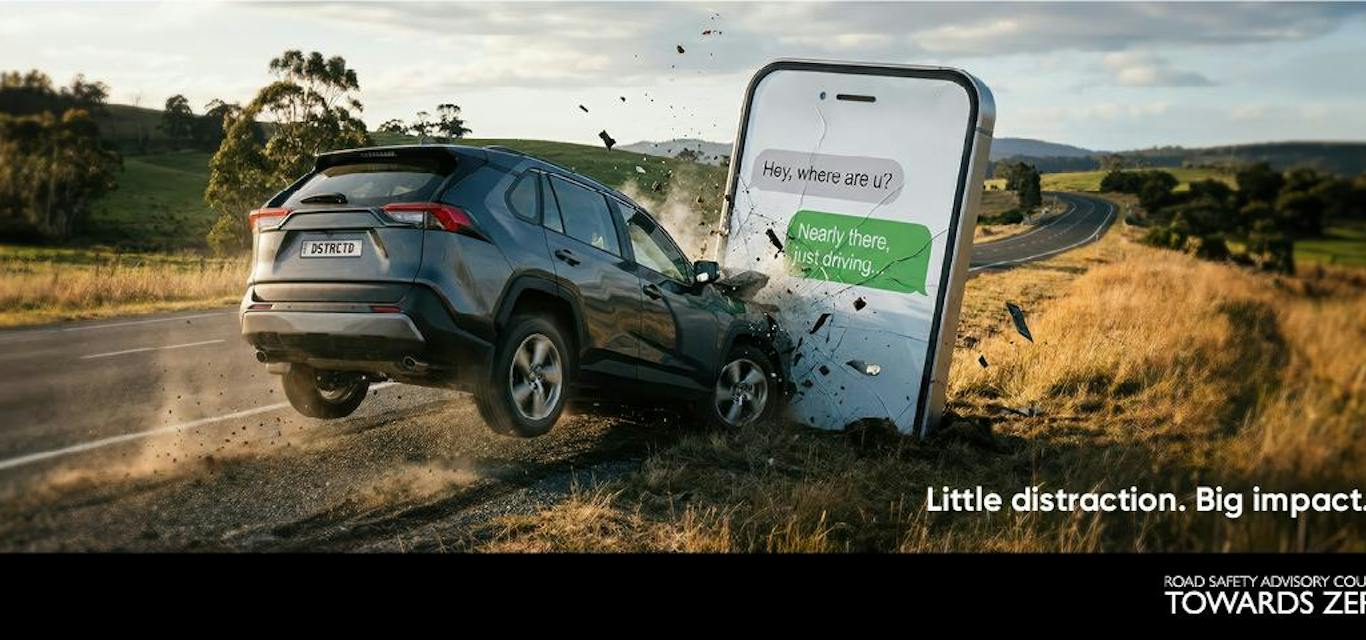
Our recently launched Inattention/Distraction campaign highlights this. Many people are quick to spot risky behaviour in others, but don’t always recognise the same behaviour in themselves. Actions that feel normal, such as adjusting dashboard controls, glancing at a message on a phone or smart watch, or reaching for something, are exactly the types of moments that can lead to a crash.
At 60 km/h, even a quick two-second glance away means you’ve travelled 33 metres without really seeing the road. It doesn’t seem like much, but that tiny lapse can change everything.


And it’s the same pattern when it comes to driving to the conditions. When we feel confident, we sometimes stop adjusting our driving like we should. The same human factors that drive distraction - routine, familiarity and overconfidence - also shape how well we respond to changing road and weather conditions.
Wet roads, fog, low light and unpredictable weather can occur at any time of year, catching even the most experienced drivers off guard. That's why it's important to drive to the conditions by adjusting your speed, following distance and level of attention to match what's happening on the road around you.
If you're a parent, remember that your driving habits set an example for children and young people who are beginning their own journey as road users. Every safe choice behind the wheel helps influence the next generation of drivers.
Next time you see a road safety message, take a moment to think about your own driving - no matter your age or how long you’ve been behind the wheel.