

Sharing the road with wildlife this spring
Spring means more traffic and more wildlife on Tasmanian roads. But do quiet electric vehicles put animals more at risk? We look at the evidence, and meet the locals working to keep animals safe.
Drive almost any Tassie back road at dusk this spring and you'll see them: pademelons grazing on the verge, a wombat ambling across the bitumen. It's breeding season, and devils, quolls, echidnas, wallabies, possums, bettongs and potoroos are all out looking for food and water.
With more animals on the move, more end up on our roads. Spring and the warmer months bring a noticeable rise in roadkill across the state.
Wildlife Safe Tasmania says roadkill numbers come down to how we drive and the conditions on the road. As most Tasmanian marsupials are nocturnal scavengers, driving between dusk and dawn heavily increases the risk of wildlife strikes. An estimated 500,000 animals die on Tasmanian roads every year, on rural and city roads alike.
Quiet electric cars and wildlife: do animals have less warning?
It’s a fair question. Electric vehicles make almost no engine noise at low speeds, and hybrids switch to electric power in slow, stop-start driving. So can animals hear them coming?
So far, there’s no evidence that EVs are causing more wildlife deaths on Tasmanian roads. Australian Electric Vehicle Association secretary Chris Jones says he’s not aware of any research showing electric vehicles are more prone to wildlife collisions than petrol or diesel cars.
New EVs and hybrids sold in Australia must now emit a warning sound at speeds up to 20 km/h. Above that, wildlife carers say that tyre and wind noise make them about as easy to hear as a conventional car, and that speed and time of day matter far more than the type of vehicle. The Department of Natural Resources and Environment Tasmania (NRE) says studies suggest drivers need to travel at no more than 54 km/h to see a Tasmanian devil and stop in time.
NRE wildlife biologist Dr Samantha Fox says data collected through the Tasmanian Roadkill Reporter app provides valuable insights that highlight problem roads and hotspots.
Every report helps authorities with mitigation, like where to install virtual fencing – electronic poles that flash and emit high-pitched sounds when vehicle headlights approach, which has been shown to reduce roadkill by 50 per cent.
“Over the past year almost 2000 animals had been reported using the app,” says Dr Fox. “The most common species through the app were pademelons, wallabies, brush-tail possum, Tasmanian devils and common wombats.”


Credit: iStock
The people caring for injured wildlife on Tasmanian roads
Funded privately and via public donations, Bonorong Wildlife Sanctuary runs the state’s largest 24-hour wildlife rescue service. It takes more than 20,000 calls a year, and that number grows by about 1000 each year.
While some protected species such as Tasmanian devils and quolls are heavily regulated and must be cared for by only a small network of specialists, it takes a huge network of volunteers to care for injured or orphaned wallabies, possums and other non-endangered species.
In the south of the state, community-run wildlife organisation Wildlife Safe Tasmania also brings carers, rescuers and advocates of Tasmanian wildlife together. Many in the network drive huge distances to collect orphaned and injured native animals in the hope they can be released back into the wild someday.
The signs asking Tasmanians to slow down
Not-for-profit charity Friends of Tasmanian Wildlife works to help reduce wildlife deaths on our roads. The organisation supports wildlife carers who work with the outcomes of road trauma, with volunteers that heal injuries and raise orphans all over the state.
Motivated by their shared mission, wildlife carers Ruth Waterhouse and Vicki Hawker have been selling ‘slow down for wildlife’ bumper stickers, wheelie-bin stickers and signs urging road users to reduce their speed for the past three years. The campaign has raised awareness, shifted driver attitudes and pushed local councils and governments to act.
An ABC documentary called Road Kill Warriors highlighting their work premiered at the 2023 Sydney Film Festival. Filmmaker Lara van Raay captured their campaign to save wildlife and how the signs erected across Tasmania not only remind drivers to slow down but also raise awareness and show that Tasmanians care.
Road Kill Warriors
What to do if you hit wildlife on Tasmanian roads
“If you’re a driver and you hit an animal, it can be very traumatising,” says Dr Aimee Catalan, interim chair of Wildlife Network Tasmania. “You can’t assume that an animal has left the scene and is okay, either. Often, a hit or injured animal will run because of the adrenaline in their systems, regardless of the trauma they have been through.”
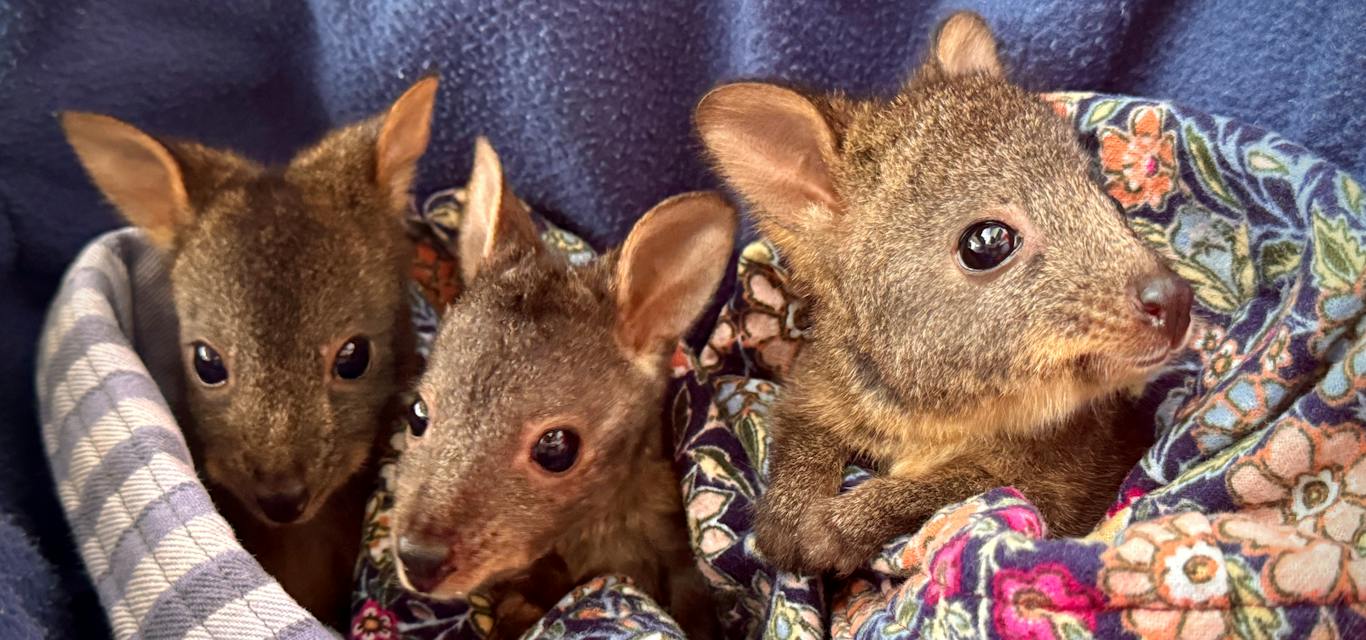
Spring is known among wildlife carers as the ‘pinkie period’, because many species could be carrying very small, furless babies in their pouch. It’s very difficult to care for such small offspring, and some don’t survive, even with specialist care.
“The message is always to be aware of animals when you’re driving, only pull over if it’s safe to do so and check the pouch if you feel competent to do so. We do know that these animals can survive in the pouches for a period of time, so please slow down, if safe to do so and get in touch with a wildlife carer,” Dr Catalan says.
How drivers can protect wildlife this spring
• Slow down between dusk and dawn on all roads
• If an animal suddenly appears on the road, brake firmly, instead of swerving, to reduce the chances of a collision with another vehicle.
• If you hit an animal, stop only when it’s safe, check the pouch if you feel able, and call a wildlife carer
• If possible, plan trips during daylight hours to avoid high-risk night driving
• Don’t throw food scraps out of car windows as it attracts scavenging animals to dangerous roadside areas
• When parked, use the Tasmanian Roadkill Reporter app to log animal strikes to help road managers map dangerous hotspots
• Call Bonorong Wildlife Hospital and Rescue for immediate advice or assistance on 0447 264 625 (0447 ANIMAL).


Credit: iStock