

The warmth of winter sport
Beanies, thermoses and early starts … inside Tasmania’s winter sports ritual.
On a winter morning in Tasmania, the sidelines fill early. Parents arrive in layers with beanies pulled low, hands wrapped around takeaway coffees or bacon-and-egg rolls. Some stay in their cars, engines idling, watching through fogging windscreens. Others huddle in camp chairs and blankets, waiting for the whistle.
Every weekend, across the state, this scene plays out. From netball and soccer to football, basketball, yachting and even underwater hockey played in community pools, families show up, through rain, frost or biting wind, to get their children to training and games.
It’s easy to see why. Team sport teaches the importance of discipline and commitment. There’s a sense of belonging, inclusion and socialisation that just attending school doesn’t offer.
“Sports are an incredibly important part of our community,” says Wynyard’s Deputy Mayor Celisa Edwards.
“Getting people out to play and watch community sports over the winter months creates a sense of belonging and socialisation.”


Credit: rosiehastie
On the sidelines
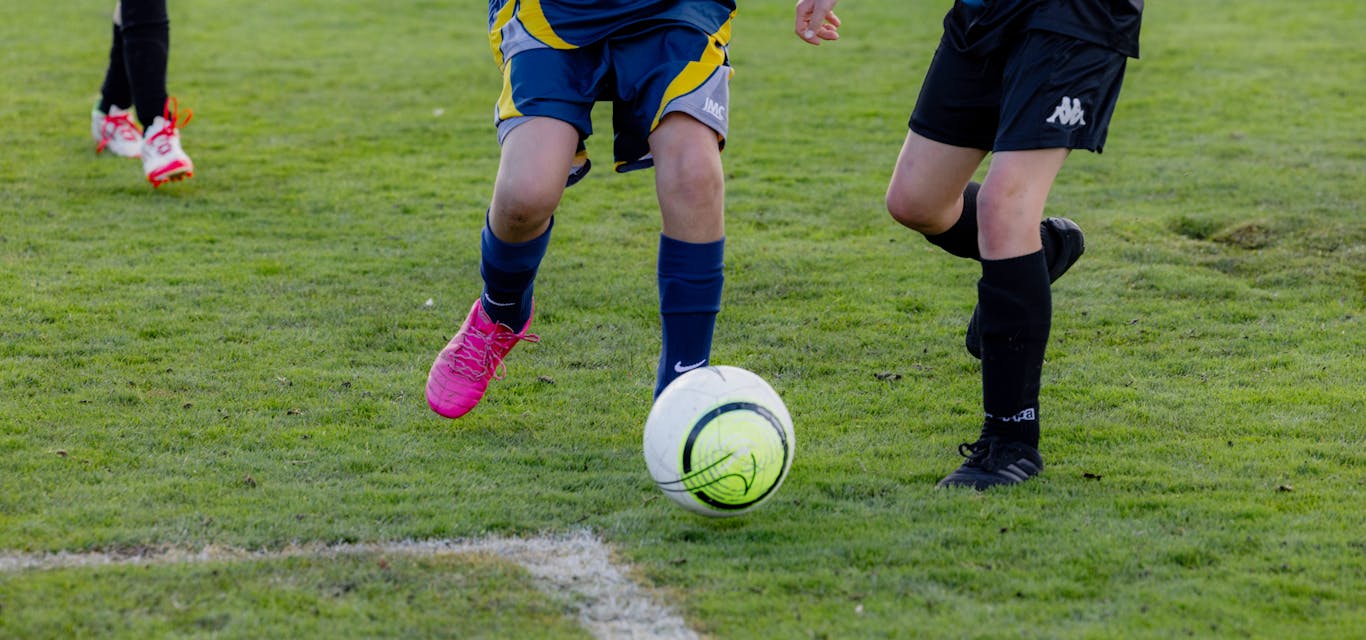
In the south of the state, the Kingborough Lions, a community-based club in Kingston, is developing the soccer skills of players of all ages. Parents travel an hour or two to games held as far south as Dover, Cygnet or Woodbridge.
Coach Tim Dale says local soccer games are extremely important in regional townships: “The soccer games reflect the existence of sporting clubs, which play a critical role in local towns. They foster community identity, cohesion and pride, while promoting physical and mental wellbeing.”
Run on the back of hardworking volunteers and community spirit, soccer games serve as a focal point for all members of the community, young and old.
On the sidelines, spectators do whatever it takes to stay warm. Parking spots closest to the action are always taken first so that parents can stay in the car to watch the game.
Tim says he’s seen plenty of spectators clutching a hot thermos of coffee wearing hand warmers. Scarves, beanies and a warm coat are also a must. Others bring along a camp chair and a blanket, huddling on the sidelines in the winter sunshine to cheer on their team.
It’s a familiar scene, repeated across towns and fields, with the same routines, the same sideline spots, the same people turning up week after week.

Credit: rosiehastie

Credit: rosiehastie
Community spirit
The Tasmanian Government has focused on increasing youth participation in sport by reducing membership or registration costs for children, offering two vouchers worth up to $100 each to help with the costs. The initiative opens extracurricular sport opportunities up to families who otherwise may not be able to afford it.
Minister for Education, Jo Palmer, says school sports courts are an essential part of every school, offering students a safe place to be active, develop skills and have fun with friends.
To help more young people get involved in community sport, the state government has been opening school gates after hours to give students and local communities access to modern playgrounds, ovals, and indoor and outdoor sports courts.
“School playgrounds are also important to our local communities. We know that many families enjoy visiting school playgrounds outside of school hours for fun and fitness,” Ms Palmer says. “We also know there is strong demand for sports courts across the state, and schools are playing an important role in increasing access to facilities for Tasmanians.”
Community and recreation groups have been eligible for grants of up to $2,000 to deliver projects that support community initiatives and enhance social and cultural wellbeing.


Credit: rosiehastie

Credit: SolStock
Developing resilience
Across the state, Tasmanian surf life savers also train several times a week in the winter months. Clifton Beach head senior coach Courtney Beswick delivers sessions across ski paddling, board paddling and iron person disciplines, supported by a team of assistant coaches.
Having coached surf sports for the past four seasons, her dedication to volunteering supports athletes across all aspects of their development and competition preparation, which includes winter long distance paddling to ensure surf life savers maintain their fitness.
Courtney says that training through the colder, more challenging conditions helps create a tight-knit group of athletes who develop resilience and camaraderie, which ultimately translates into strong success through the summer competition season.
“Coaching surf sports during the winter months is extremely important at our club because it plays a key role in building both baseline conditioning and a strong team culture,” she says.
Ski paddling sessions can be held during the evenings, often in dark and very cold conditions, while the morning session can be frosty. The typical paddling outfit consists of head torches, beanies, windproof jackets and paddling booties.
“The winter period also provides an ideal opportunity to focus on refining technique, reinforcing good habits and building a solid aerobic and strength base. Athletes who commit during these more demanding months tend to see the greatest improvements in both performance and consistency,” Courtney says.
Local clubs are often the heart of our towns, bringing together families, volunteers, coaches, sponsors and supporters every weekend.

Credit: rosiehastie

Credit: rosiehastie
On the ball
The Australian Football League is a major drawcard in the Huon Valley during the winter months, with two major teams battling hard for state championships. The region has also experienced robust growth in its participation rates for women and juniors.
Soccer has seen significant growth in the Valley, too. “Off the back of a strong off-season, player drive and an energetic new committee and president, player registrations are up more than 30 per cent,” says Huon Valley Mayor Sally Doyle. “We’re also excited to see more opportunities for women, including the addition of a new women’s team, the Dover Devils, based in Franklin.”
Winter sport is a strong sign of a healthy community. Sport helps build connection, belonging and pride, creating positive pathways for young people through teamwork, confidence, fitness and leadership.
For Mayor Doyle, the appeal goes beyond the game itself: “Local clubs are often the heart of our towns, bringing together families, volunteers, coaches, sponsors and supporters every weekend. Clubs do a great job of creating a warm, welcoming atmosphere through canteens and volunteers, whether it’s a hot drink, a bowl of soup or a hearty meal. That sense of club spirit and community is often what keeps people coming back, even on the coldest winter days.”
Winter sport in Tasmania isn’t always comfortable; it can mean early starts, cold hands, long drives and standing on the sidelines in the wind. But it can also include winter sunshine, shared moments and new friendships. It’s not just about the game. It’s about showing up, for your team, for your kids, for your community. And that’s what keeps people coming back, week after week, year after year.